Sharing our planet with wildlife
- Is genetic engineering of wild animals technological hubris or genuine conservation? Read my story on the plight of northern white rhinos, here.

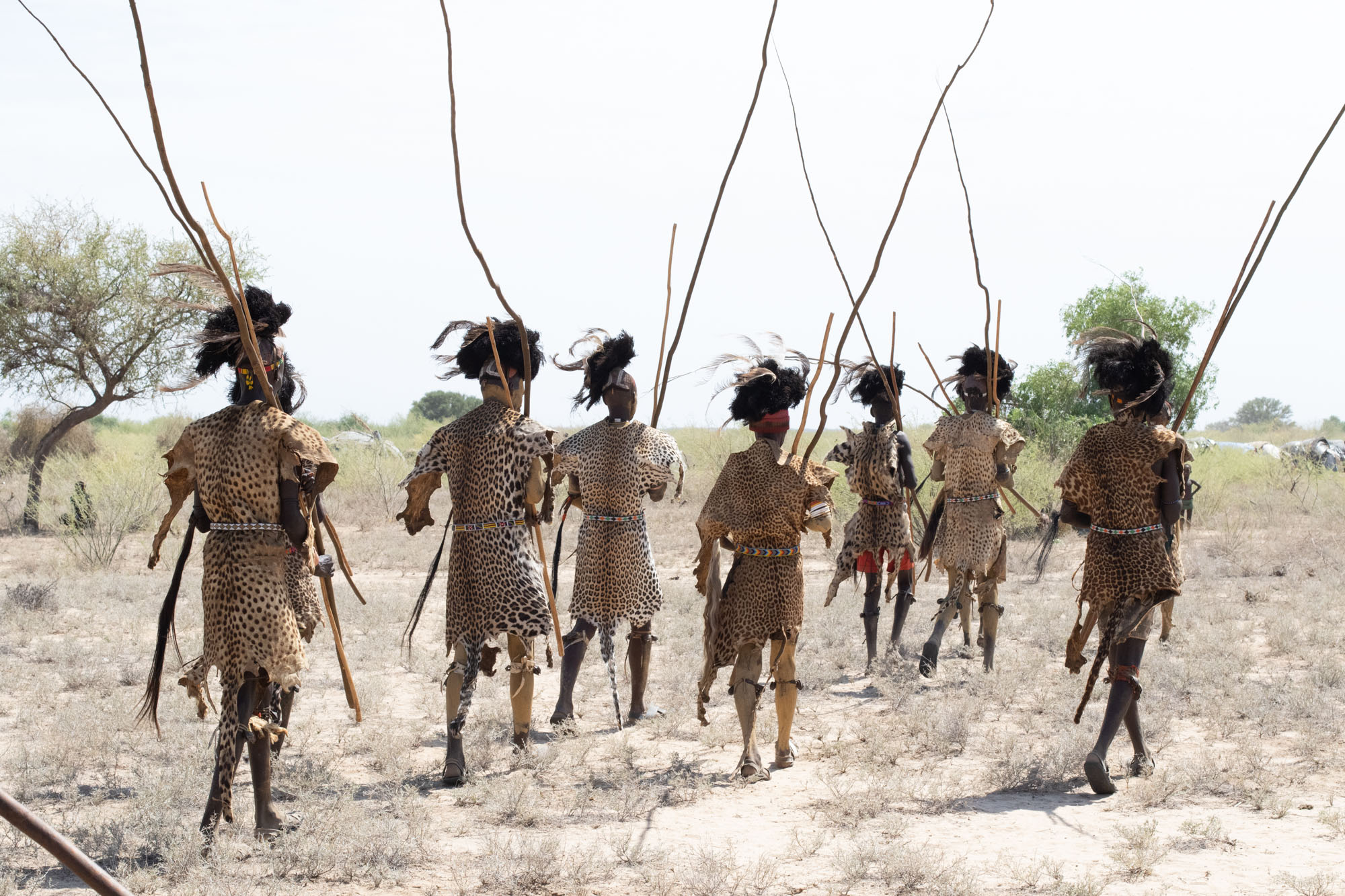
- “The killing of animals is a matter of pride” is a feature covering a biocultural conflict in Kenya. The Daasanach tribe use the skins of endangered animals as part of key coming-of-age ceremony. How should conservation scientists respond to the friction between meeting their objectives and preserving a cultural tradition?
- Studying the scat of giraffe offers a non-invasive approach to study the species.
- Many of the threats that haunt ocean ecosystems are out of sight, and out of mind. Find out here about the scale at which discarded fishing gear poses a threat to marine life.
- Overfishing is a major problem even for the hardy sardines.

- ‘Our boiling seas’ is a feature about the novel science of forecasting marine heatwaves. Scientists are confident that some of the greater threats to ocean ecosystems are not from gradual long term warming, but from acute short term spikes in temperature.
- Coral reefs in the Caribbean are facing a new threat. Find out more here.
- Artificial light at night from human settlements is polluting aquatic environments. Fish grow more anxious and pass the behavior on to their offspring.
- Can trees save us from climate change by absorbing excess CO2 emissions? It’s complicated.
- Find out what the ‘curiously isolated’ butterfly in Alberta can teach us about resilience.
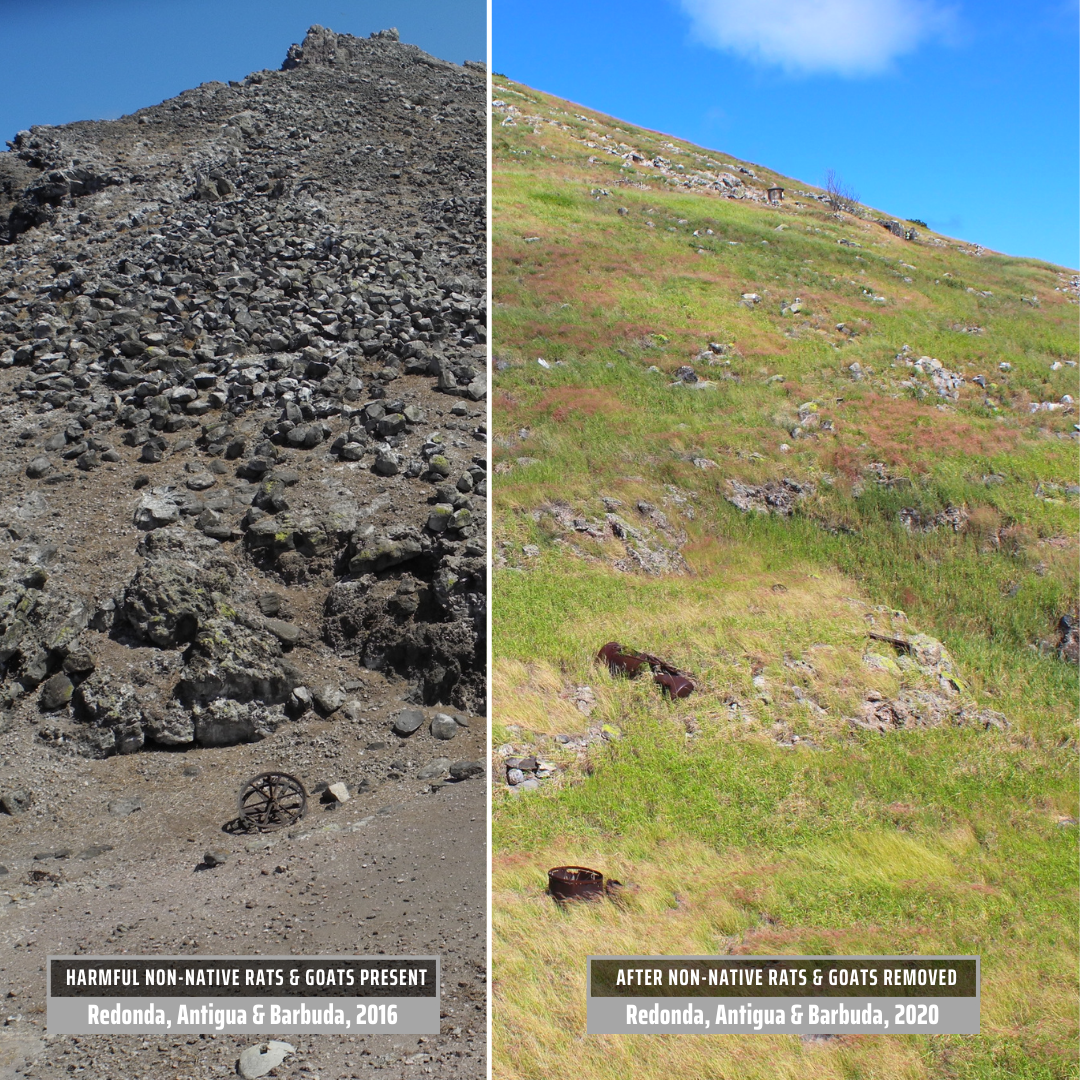
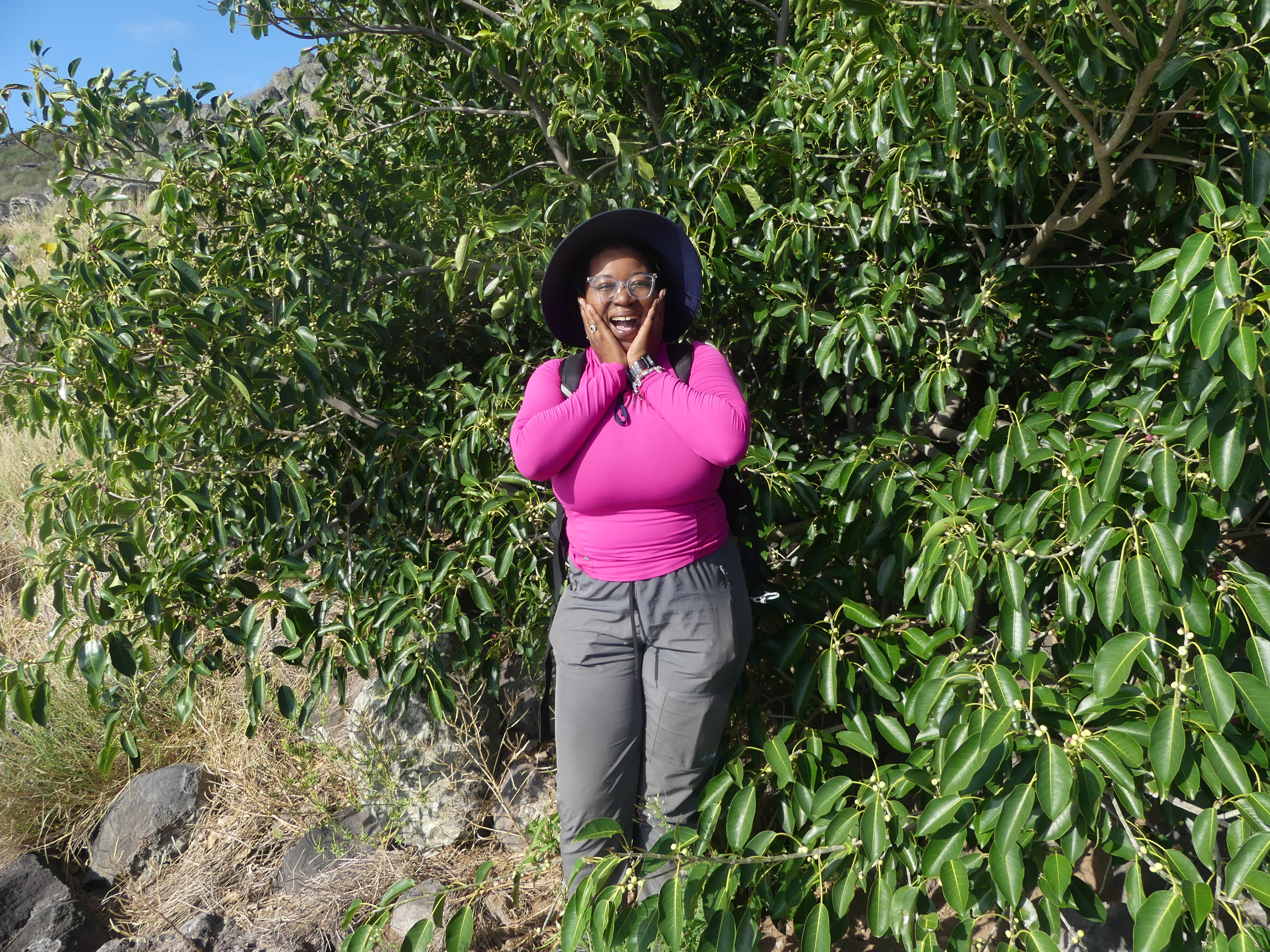
- From Rats to Riches: Redonda Island in the Caribbean is an inspiring success story for island restoration. I interviewed Shanna Challenger who coordinated the project.



Anthropology and Archaeology
- Jennifer Raff, professor of anthropology at Kansas University, is on a mission to rewrite the history of human origins in the Americas. My profile of her life and work, with a special emphasis on ethical conduct in anthropology can be found here.

- In ‘Reviving Mayan blue’ I share the story of Luis May Ku, an artist and teacher from the Yucatan who revived the sacred color used by his ancestors.
- One thousand years ago, in Peru, tattoos were ten times finer than they are today. Find out more here.
- The search for Earth’s oldest rock.
Science meets art
- In ‘The enemy made visible’ I cover the science behind Angela Palmer’s sculpture of the COVID-19 viral particle.
- In ‘Fishing Gear on the Fashion Runway’ I cover the work of the Ghost Net Collective, an Australian artists collective that raises awareness for the damage that rogue fishing nets bring to ocean wildlife.
- In ‘The leather of the future’ I write about bio-design lab that is making leather out of… mushrooms.
- I am fascinated by the Umwelt – the specific way in which animals experience and perceive the world. Here is my piece on soundscape as a component of an animal’s life at the zoo.
- ‘If animals could talk‘ is a feature about Bestiari, an immersive audio-visual installation by Carlos Casas, who represented Catalonia at the 2024 Venice Biennale.

- Films use landscapes to evoke feelings and moods. Some might even say the landscape acts as one of the characters in movies. In ‘The trouble with the swamp’ I hear from Jack Zinnen, a wetland ecologist who has systematically analyzed the use of swamps in film.
- Some trees are older than the pyramids in Egypt. Valerie Trouet explains what they can teach us in an interview about a new anthology by her dendrochronology colleagues.
- Iris Van Herpen designed a living dress using bioluminescent algae.
- Cities obey the laws of living things.
- This opera singer cracked the science of what makes for the best performance.
AI, robots, the internet and us
- ChatGPT can persuade conspiracy theorists to downgrade their beliefs. Is this good news?
- Large language models are complete amnesiacs and lack reading comprehension skills. What can we gain if we teach AI to read novels?
- This is why animals run faster than robots.
- What can we learn from fish about avoiding the spread of misinformation in our social networks?
Psychology
Molecular biology transforms lives
- The universal clock of aging: a piece on how all cells in our bodies keep time.
- Can we stop time in the body? My writing on a daring DARPA project to develop a drug that ‘freezes’ and buys time on the battlefield.
- How much do we actually know about our food? In the Dark Matter of Food I report on research aimed at shedding light on the thousands of unknown chemicals that are part of our diets.
Citizen science

- Uncharted: An all-female Arctic research team spearheads a sustainable approach to polar science.
- Plastic trash is accumulating in the high Arctic, dumped by cruise ships and fishing vessels – citizen scientists find in collaboration with academics and explorers.
Hidden gems
- Vanilla has a secret and a story to tell.
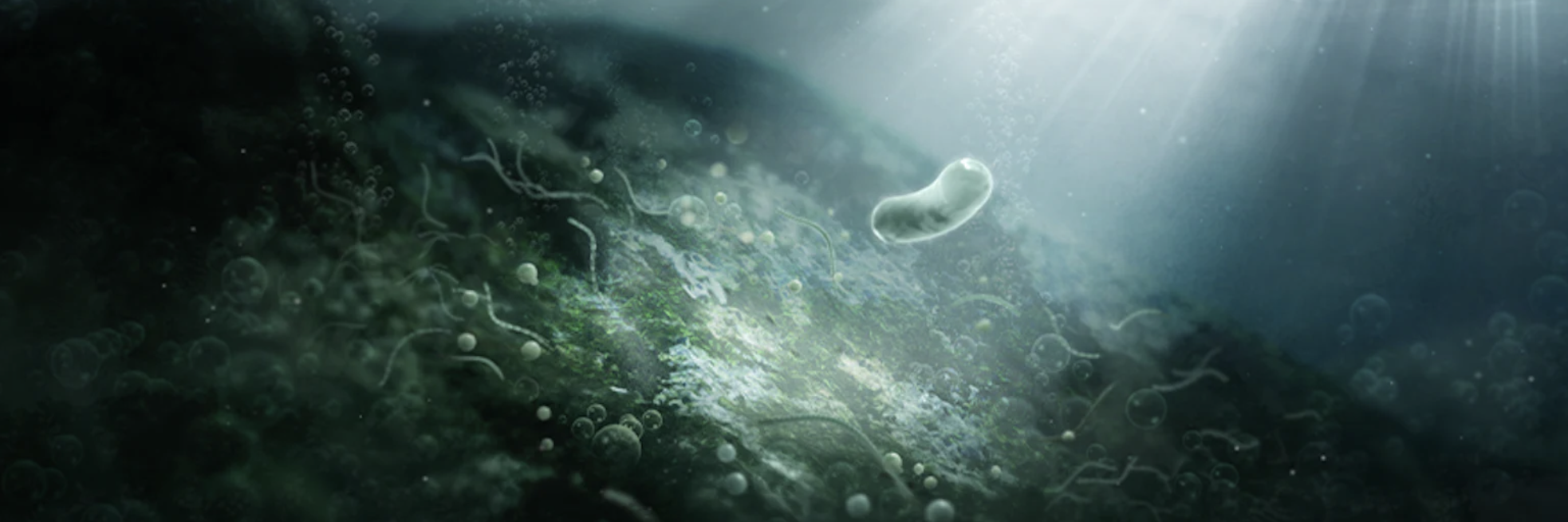
- Meet the microbe that revolutionized all life on Earth.
- ‘The most unlikely migration’… it’s about flies!
- Even in failed experiments, there is a whiff of magic. A crystal forest grows inside a chemistry professor’s crucible.
Academic pubs
For my peer reviewed academic publications, visit my Google Scholar profile.
 Elena Kazamia